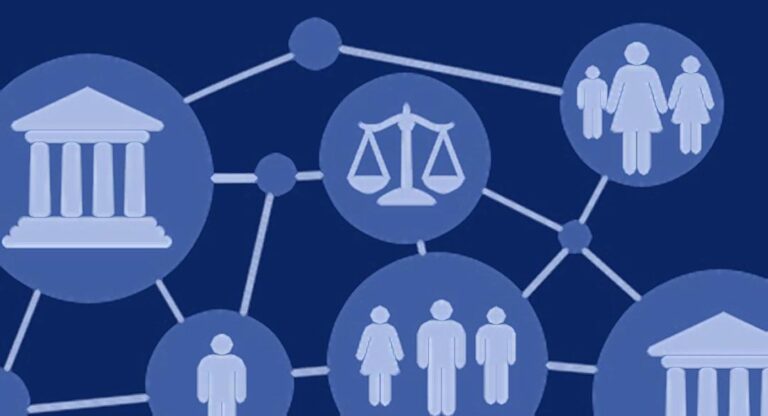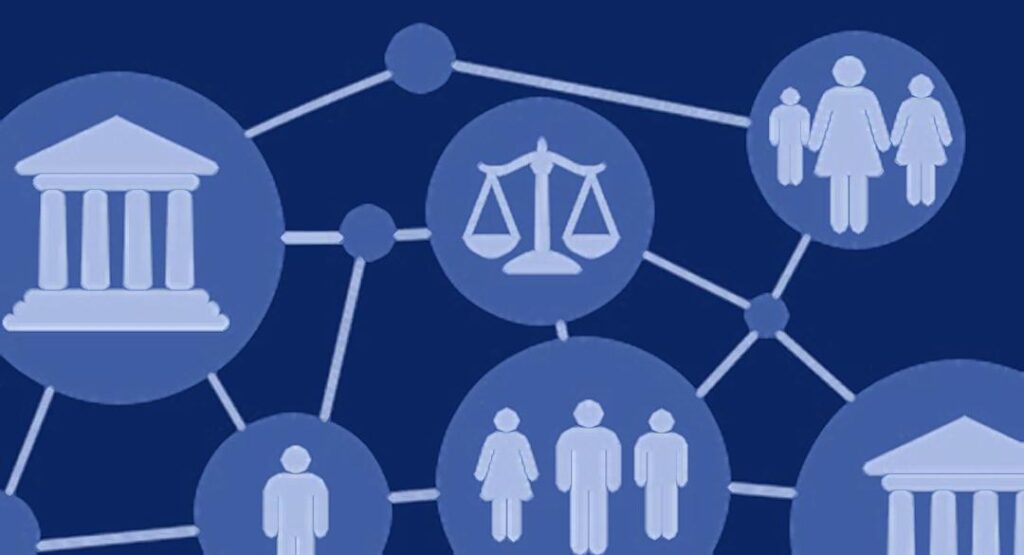

In today’s interconnected world, global affairs influence almost every aspect of daily life. Decisions made by governments, international organizations, and global institutions often have direct impacts on local economies, policies, and communities.
Global affairs include topics such as trade agreements, climate change policies, international conflicts, and diplomatic relations. While these issues may seem distant, they shape everything from food prices to job markets.
For instance, international trade policies determine the flow of goods between countries. When tariffs are introduced or removed, it affects local businesses, industries, and consumers. Similarly, global supply chain disruptions can lead to shortages or price increases in everyday products.
Climate change is another major area where global cooperation is essential. Agreements between countries influence environmental regulations, energy policies, and sustainability efforts. Local communities often feel the direct effects through changing weather patterns, rising temperatures, or natural disasters.
Political decisions at the international level can also affect national security and public stability. Conflicts, alliances, and negotiations shape migration patterns, defense policies, and economic conditions.
Understanding global affairs helps individuals become more informed citizens. It allows people to see the bigger picture and understand how global events connect to local realities.
As the world becomes more interconnected, awareness of global affairs is no longer optional — it is essential.