
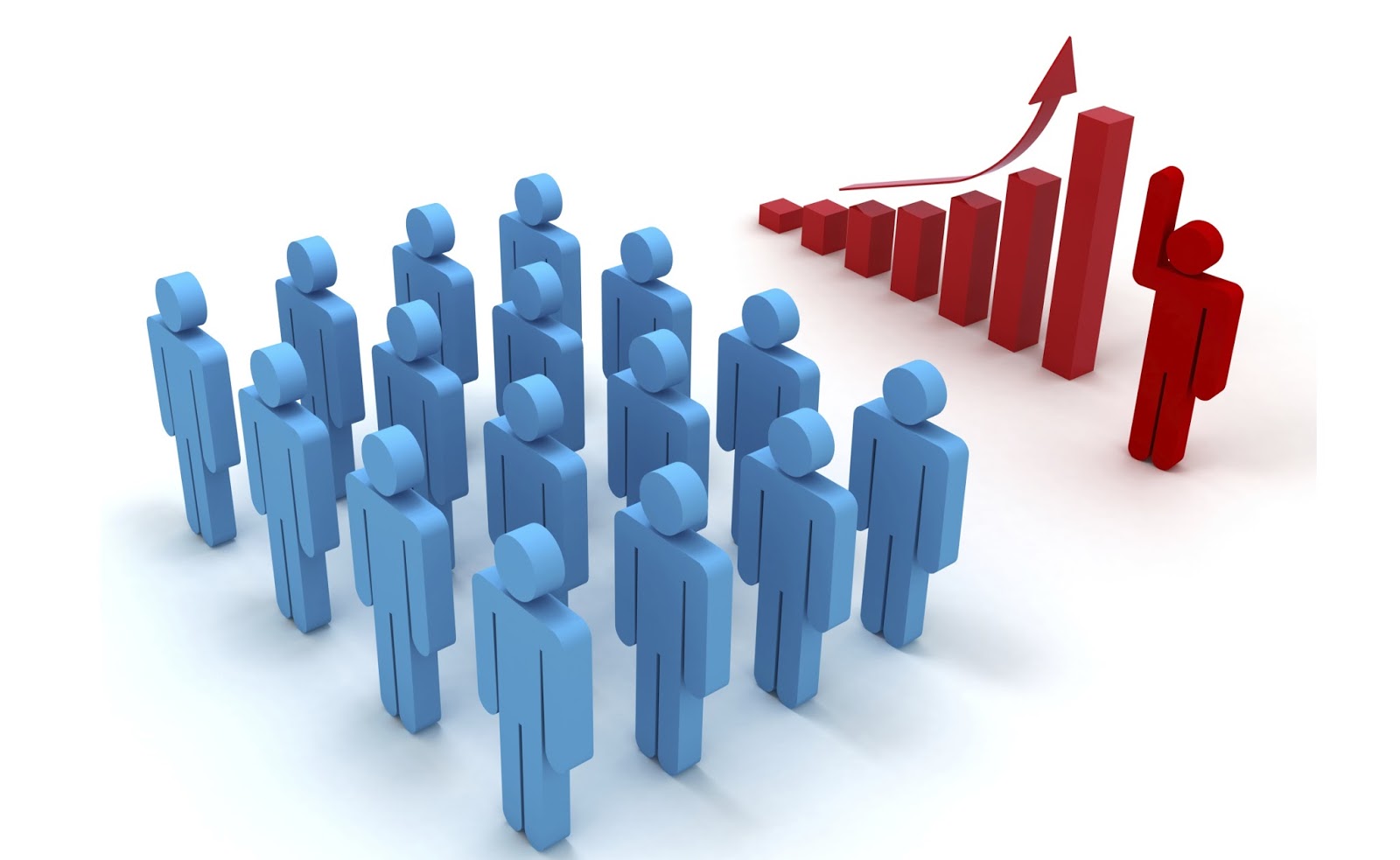
Social inequality is one of the most persistent challenges in modern societies. It affects access to education, healthcare, employment opportunities, and even justice. While economic growth has improved living standards for many, the gap between different social groups continues to widen in many regions.
At its core, social inequality refers to the uneven distribution of resources and opportunities among individuals and communities. This can be based on income, gender, ethnicity, education, or geographic location. For example, people living in urban areas often have better access to services compared to those in rural communities.
One of the most visible impacts of inequality is in education. Students from disadvantaged backgrounds may lack access to quality schools, learning materials, or digital tools. This creates a cycle where limited education leads to fewer job opportunities, reinforcing inequality across generations.
Healthcare access is another critical area. In many countries, lower-income groups struggle to receive proper medical care due to high costs or lack of facilities. This results in poorer health outcomes and reduced life expectancy.
Addressing social inequality requires coordinated policy efforts. Governments must invest in inclusive education, affordable healthcare, and fair labor policies. At the same time, public awareness and civic participation play a key role in pushing for meaningful change.
Ultimately, reducing inequality is not just about fairness — it is essential for building stable, sustainable, and inclusive societies.